Garden Clearance in Stockwell
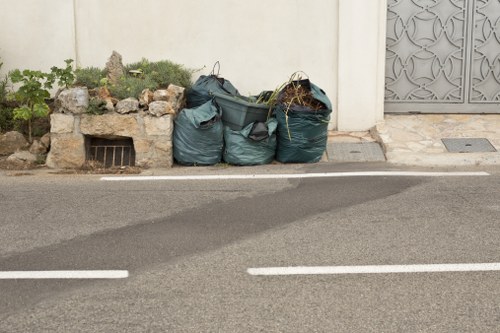
Garden clearance in Stockwell means clearing away overgrowth, cuttings, broken outdoor items and accumulated waste so a garden can be made usable again. We handle practical clearance work for front gardens, back gardens, shared outdoor spaces and access paths, with the emphasis on removing the material that is in the way and leaving the site ready for the next stage. That may be a simple tidy-up after seasonal work or a more involved clearance where the outdoor area has been left unused for some time.
The service is built around safe removal and sensible sorting. When plant waste, timber, pots, fencing offcuts, soil, old compost bags, damaged outdoor furniture or general garden rubbish need to go, we separate what can be reused, recycled or disposed of appropriately. In practical terms, that helps you clear space without having to organise multiple collections yourself. If you need to reclaim a neglected garden or make room for new planting, this is a straightforward way to get the job moving.
Use the service when the work is more than a bin collection but does not require full landscaping. It is suitable for households, landlords, letting agents and property managers who need a reliable clear-out of outdoor waste and unwanted items. Tell us what is there, what access is available and what you want left behind, then ask for a quotation based on the work involved.
What our garden clearance service covers
Our garden clearance work typically includes the removal of green waste such as branches, hedge cuttings, grass, leaves, weeds and roots where they have been dug out and bagged or piled for collection. We also take garden junk that does not belong in a compost heap: broken planters, cracked ornaments, plant trays, old seeds and pots, damaged edging, worn tarpaulins and the kind of mixed outdoor clutter that can build up around sheds, walls and fences. The aim is to reduce the task to one managed visit rather than several separate trips.
For many customers, the main decision is how complete the clearance needs to be. Some gardens only need loose waste removed and surfaces swept through afterwards, while others need heavier items shifted from corners, undergrowth cut back enough to create access, and stacked material broken down so it can be lifted safely. We can work through a practical sequence that suits the site, starting with the easiest removals and then tackling anything that has become compacted, damp, awkwardly stored or tangled with vegetation.
Because every outdoor space is different, it helps to think about the clear-up in categories. A useful way to plan it is to note:
- green waste that can be collected together
- hard materials such as broken timber, fencing and pots
- bulky items that need to be lifted out carefully
- areas that need access before anything can be removed
- what should stay in place for reuse or gardening work
Managing overgrowth, hedging and awkward waste
Some garden clearances are mainly about overgrowth. When hedges have spread, shrubs have become untidy or self-seeded plants have filled paths and borders, the work is not only about lifting waste away. It is also about creating enough access to gather material without damaging the remaining parts of the garden. We can deal with cuttings and the waste generated by light reduction work, provided the scope is suitable for clearance rather than specialist tree surgery or major landscaping.
Overgrown sites often include mixed material, which is where a clear plan matters. Soil from replanting, broken canes, old netting, snapped branches and forgotten bags of compost may all be tucked into the same area. We work through that mix methodically so that the useful parts of the garden are not stripped out by mistake. If the job includes narrow side access, low fences or confined corners, it helps to mention that early so the collection approach can be matched to the layout.
For properties where the garden has been unused for a while, the best outcome is usually a step-by-step clearance. First comes the removal of obvious waste. Then comes the lifting of larger items, the gathering of cut material and the final sorting of anything that needs separate handling. That approach supports a tidy finish without overstating what is involved. Clear instructions about what should remain are usually more helpful than a long list of assumptions.
Household garden rubbish and outdoor item removal
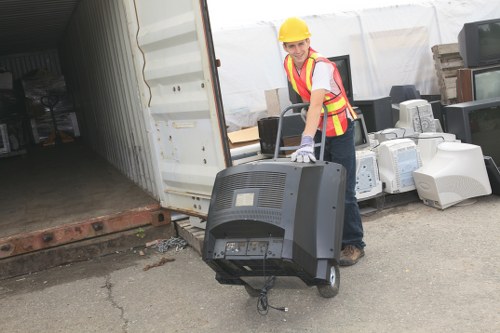
Garden areas often collect more than plants. Old chairs, cracked tables, broken parasols, children’s outdoor toys, storage boxes, damaged plant stands and disused barbecue accessories can all end up outside once they are no longer wanted indoors. We remove these items as part of garden clearance when they are ready to go and can be safely collected from the site. The service is useful when the aim is to clear clutter and make the outside area manageable again.
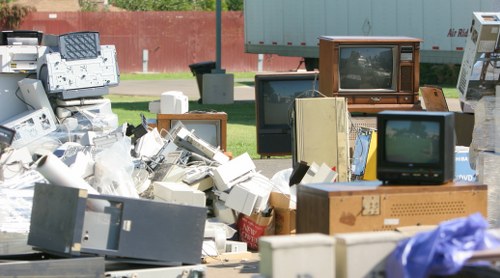
Where mixed waste is involved, disposal needs to be sensible as well as convenient. Some items are straightforward to load, while others are bulky, weathered or partly collapsed and need careful handling to avoid scattering debris. We keep the focus on lifting and removing the material you no longer need, then sorting it for the most suitable route. If the garden contains a blend of domestic junk and plant waste, that can usually be handled in one organised clearance rather than split into separate appointments.
It is often helpful to think in terms of the final use of the space. A family garden being opened back up for play, a rental property being made ready between tenancies, or a private yard being reset for routine upkeep all call for slightly different levels of clear-out. The right quotation depends on volume, access, item type and how much sorting is needed on arrival. Send a clear description of the outdoor waste and ask for a quotation when you are ready.
Garden clearance for homes, rentals and managed properties
We work with a range of property types where outdoor areas need attention. Homeowners may want a one-off tidy before planting or maintenance begins. Landlords may need a garden cleared between occupiers. Letting agents and property managers may need the space made presentable after a tenancy or after neglect has left the site full of waste. In each case, the purpose is the same: remove what should not be there and leave the garden in a workable condition.
For managed properties, consistency matters. A concise description of the site helps determine how the work should be approached, especially where there are shared boundaries, limited access or items left in several different spots. The more clearly the clearance area is identified, the easier it is to plan labour and loading. If there are items that should be set aside, such as planters to keep or tools that belong to the property, it is best to identify them before the work starts.
Commercial decision-makers often need the clearance to be done with minimal disruption to surrounding residents or users of the site. That makes practical scheduling and access details useful, particularly where parking, gates or shared walkways are involved. A good quotation should reflect the actual job, so it is worth giving enough information to describe the waste accurately without turning the enquiry into a long explanation.
Recycling, sorting and responsible disposal

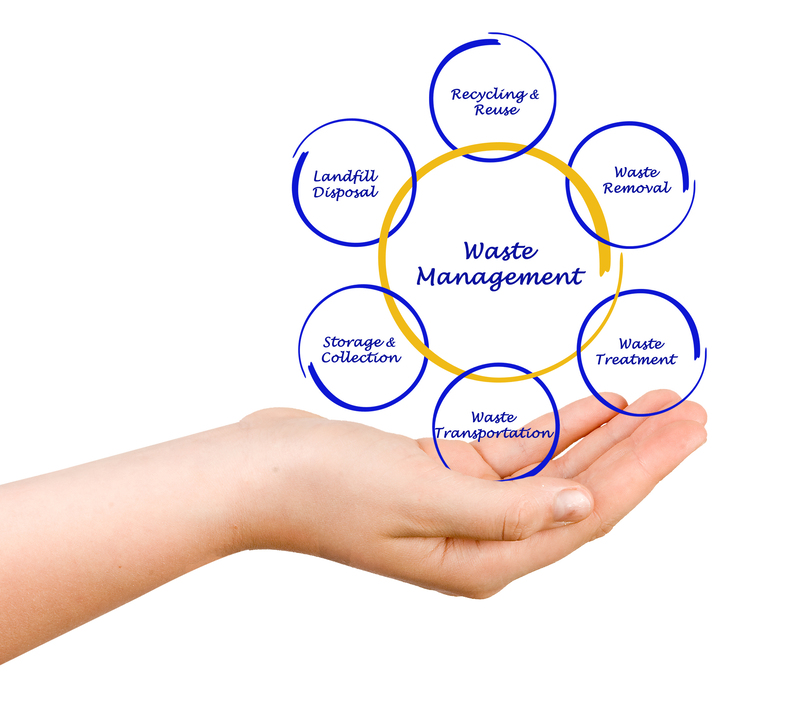
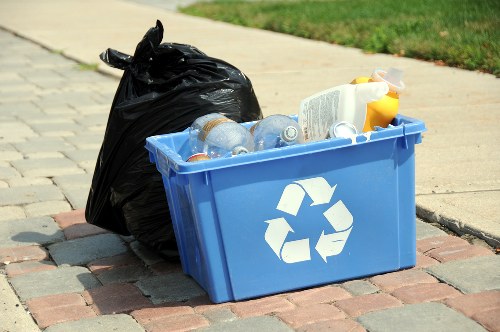
Garden clearance is not only about loading a vehicle; it is also about deciding what each type of material should become next. Green waste, timber, metals, plastic plant containers and mixed household items do not all follow the same route. We therefore sort items sensibly so recyclable materials can be separated where appropriate and general waste can be handled correctly. This keeps the process practical and avoids treating every object as though it were identical.
Responsible disposal also helps when the garden contains awkward leftovers from past work. Bags may have split, containers may be dirty, and some items may be damp or partially broken down by weather. That does not change the basic task, but it does affect handling and loading. The clearer the picture of the material, the more accurate the quotation is likely to be. Where there is uncertainty, it is better to describe the mix rather than assume everything falls into one easy category.
In many clearances, the customer’s main concern is whether the space can be made usable again without unnecessary delay or complication. We keep the service focused on the actual removal and disposal task, while recognising that good sorting is part of doing the work properly. If you need a quotation for a garden that contains mixed waste, broken items and cut vegetation, ask for the next available assessment and provide a brief outline of the load.
Access, loading and preparing for a quotation
When you request a quotation, the most useful information is usually simple and practical. A few notes about access, the type of waste and the approximate size of the clearance help a lot. If a side passage is narrow, if the garden is reached through the house, or if items are spread across several corners, those details affect how the work is organised. The more accurate the description, the easier it is to estimate labour and vehicle space.
Photographs can also be helpful when they clearly show the main items and the general extent of the job. They are not required to understand every detail, but they can reduce uncertainty when waste is mixed or partly hidden. If there are heavy objects, tight steps, slippery surfaces or anything that looks difficult to move safely, mention that in the enquiry rather than waiting until the day of clearance. A short, factual description usually works better than a long message.
For straightforward planning, it can help to write down three things: what needs removing, what must stay, and how the garden is accessed. That keeps the quotation focused on the actual service instead of guesswork. If you are comparing different ways to clear the space, remember that the aim is not simply to take away objects, but to remove them in a way that suits the garden, the property and the work involved.
About Stockwell
Stockwell is an area in the London Borough of Lambeth, positioned south of the River Thames and close to central London routes that have shaped its development over a long period. The district takes its name from a historic well, and its earlier growth was linked to the expansion of London beyond the old core. Over time, Stockwell became a densely built urban neighbourhood with terraced streets, later housing estates and a mixture of residential and commercial premises that reflect different phases of the capital’s growth. The area is served by Stockwell station, where the Victoria and Northern lines meet, giving it a strong connection to the wider Underground network. Nearby streets and squares show layers of architectural history, from Victorian and Edwardian housing to more modern redevelopment. The locality is also known for Stockwell Green, a surviving open space associated with the older village character of the district, and for local landmarks that include the area around Clapham Road and the surrounding residential streets. Stockwell has a notable cultural identity shaped by diverse communities, independent businesses and long-standing social connections, while still remaining part of the larger inner London fabric. The area’s urban form is compact, with everyday life organised around local roads, transport links and a mix of homes, schools and small-scale amenities that give the neighbourhood its distinct character.
Garden clearance tailored to the job in front of you
Not every outdoor clear-out has the same priority. Some are driven by the need to remove tangled growth, while others focus on bulky household objects, garden furniture or piles of mixed rubbish. The right approach depends on what is present, how it is stored and how much of the surrounding area needs to be kept intact. We keep the service flexible enough to suit a tidy domestic courtyard, a larger family garden or a more cluttered space that has been left unattended.
It is often the combination of materials that makes the job feel complicated. Wet green waste, rotting sacks, loose debris, old timber and awkward containers can all sit together in one space. A measured clearance avoids rushing through that mix and helps ensure each type of material is lifted and removed properly. If you want a simpler conversation with less back-and-forth, give the key facts first: quantity, access, item types and what outcome you want from the garden once the waste is gone.
For many customers, the value of a garden clearance lies in turning an unusable patch into a space that can be maintained again. That might mean seeing the ground surface, reaching the fence line, moving along a path without stepping over debris, or simply restoring order. Ask for a quotation when you have the basic details ready, and the service can be matched to the work rather than to assumptions.
Common garden clearance tasks and item types
Garden clearance can cover a broad range of everyday tasks, provided they relate to removing unwanted material from the outdoor area. Typical work may include stripping away loose cuttings, lifting stacked bags, taking away old compost sacks, removing broken pots and reclaiming space around sheds, borders, patios and fences. If there is a mix of light organic waste and sturdier discarded items, the collection can usually be planned to handle both within the same visit.
Useful service decisions often come down to what is being removed and how urgently the space needs to be reset. A garden that has a manageable amount of waste may only need a neat clear-out, while a more neglected site may benefit from a fuller removal of accumulated material before any further work begins. We do not assume the job includes pruning, landscaping or restoration unless that is part of the agreed scope; the focus remains on the clearance itself and the practical results it can deliver.
If you are preparing to enquire, keep the explanation direct. Describe the garden, list the main items and say whether access is easy or restricted. Then ask for a quotation based on the actual clearance needed. If you are ready, you can contact us to discuss the work and arrange the next step.