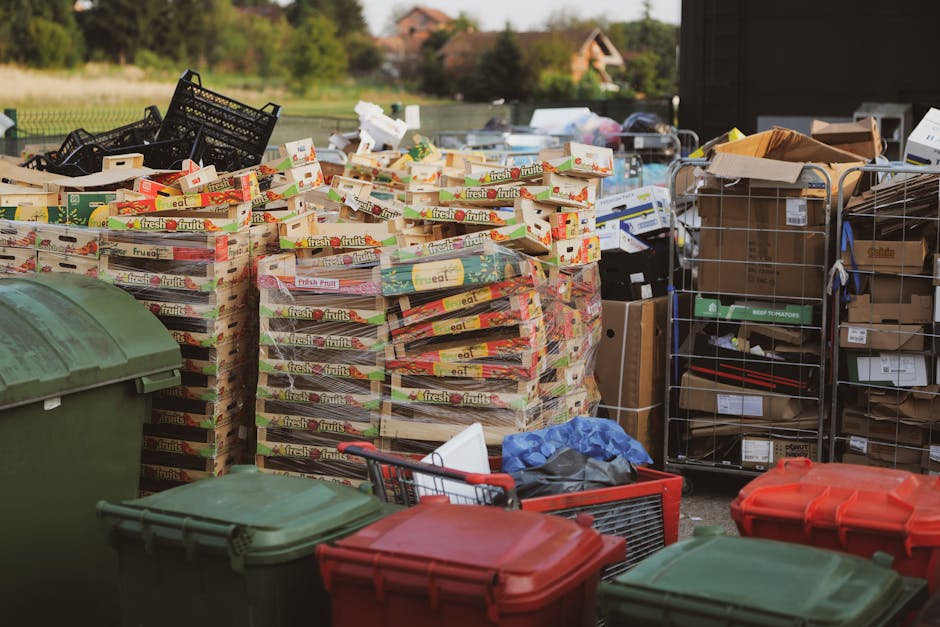
Emergency rubbish collection options for Stockwell estates

If you live or manage a Stockwell estate, you already know how quickly rubbish can go from "a bit untidy" to a genuine problem. A broken sofa in a shared hallway, builders' debris by a bin store, or a sudden fly-tipping pile near the service road can make a place feel cramped, messy, and slightly on edge. The good news is that emergency rubbish collection options for Stockwell estates do exist, and the best one usually depends on access, urgency, waste type, and who is responsible for the clear-up.
This guide breaks down the realistic choices, how emergency collections usually work, what to watch out for, and how to avoid the small mistakes that turn a quick job into a frustrating one. It is written for people who need practical answers, not vague theory. Let's keep it simple, useful, and properly grounded.
Why Emergency rubbish collection options for Stockwell estates Matters
On an estate, waste is rarely just about appearance. It affects how people move around, how safe shared spaces feel, and how quickly a small issue becomes a wider one. A blocked corridor, bags left near entrance doors, or loose waste in a communal yard can attract pests, create trip hazards, and make residents understandably annoyed. Nobody wants that first thing on a Monday morning.
Stockwell estates often have a mix of access challenges: narrow routes, controlled entry points, shared bin enclosures, stair access, and limited waiting space for vehicles. That changes the kind of rubbish collection that works. A standard household arrangement may not be enough if the problem is urgent, bulky, or in a hard-to-reach area.
There is also the timing issue. Sometimes the rubbish is building up after a tenancy changeover, after furniture has been left behind, or after small works have produced more debris than expected. In those situations, speed matters, but so does doing the job properly. A rushed clear-up that leaves loose fragments behind is not really a solution.
For that reason, estate managers, landlords, housing officers, and residents often need a service that can respond quickly, work carefully around neighbours, and remove waste in one go where possible. If the issue is broader than a single item, a broader service such as waste removal may be more suitable than trying to piece together several smaller fixes.
How Emergency rubbish collection options for Stockwell estates Works
Emergency collection usually follows a simple pattern, although the details vary by provider and waste type. In plain English: you contact the service, describe the problem clearly, the team assesses access and load size, then they arrange the fastest practical removal window. Sometimes that is the same day. Sometimes it is the next available slot. Truth be told, the speed depends more on site details than most people expect.
The first thing a decent provider will want to know is what kind of rubbish is involved. That matters because mixed household junk, furniture, garden waste, builders' rubble, and business waste each need different handling. A pile that looks small from the pavement may include heavy items or awkward pieces inside, which changes the time and labour required.
On Stockwell estates, access is often the make-or-break issue. Can a vehicle stop nearby? Are there steps? Is there a lift? Is the waste in a bin store, basement, back passage, or sixth-floor flat? A good operator will ask these questions early, because nobody wants to arrive and discover the only route is through a tiny service corridor with a sofa wedged halfway out. That happens more than people think.
If the job involves a flat, a tenancy end, or shared common parts, the cleaner and more coordinated the brief, the smoother the collection. For estate interiors, flat clearance can be especially helpful when the waste includes mixed household items, furniture, and leftover possessions that need careful removal.
Here is the basic flow most emergency collections follow:
- You explain what needs removing and how quickly.
- You share access details, photos, and any restrictions if possible.
- The provider estimates the crew size and vehicle type.
- A collection slot is arranged with a realistic arrival window.
- The team removes, loads, and sweeps up the area where needed.
- Waste is sorted for reuse, recycling, or disposal.
That last point is important. Emergency does not mean careless. A proper collection still needs sorting, safe handling, and a tidy finish.
Key Benefits and Practical Advantages
The main advantage is obvious: fast relief. But the less obvious benefits are often the ones that matter most on estates.
- Safer shared spaces: Removing waste quickly reduces trip hazards, fire risks, and blocked access points.
- Less resident friction: A cleared bin store or hallway is one less thing for neighbours to complain about.
- Better first impression: Estate entrances and common areas feel better maintained when rubbish is not lingering around.
- More efficient turnaround: For voids, lettings, or handovers, one swift visit can keep other works on schedule.
- Less DIY stress: You do not need to borrow a van, call around several people, or guess how to dispose of awkward items.
There is another quiet benefit: peace of mind. If you are dealing with a building manager, a tenant complaint, or a pile left after a late-night move-out, it helps to know the problem is being handled by people who have seen this kind of thing before. That reassurance counts for a lot, especially when the clock is ticking.
For bulky household items that need extra care, a related service such as furniture clearance can be a better fit than trying to list every item individually. Sofas, wardrobes, tables, and mattresses are the classic "looks easy, turns awkward fast" category.
Who This Is For and When It Makes Sense
Emergency rubbish collection for Stockwell estates is not only for major incidents. It makes sense any time waste is causing a clear operational problem or a safety concern and waiting would make things worse.
Typical users include:
- Estate managers dealing with communal waste, abandoned items, or reported fly-tips.
- Landlords and letting agents handling end-of-tenancy clear-ups or left-behind furniture.
- Residents who need a rapid solution after a move, delivery issue, or household clear-out.
- Contractors working on repairs, refurbishments, or small building jobs.
- Offices or small businesses on or near estate-managed premises that need urgent waste cleared without disruption.
It also makes sense when waste is mixed. For example, a hallway might contain a damaged chair, cardboard, paint tins, and a bag of general junk after a flat has been emptied. That is not unusual at all. In those cases, a broader home clearance service can be more practical than arranging separate removals one by one.
Sometimes the trigger is a time-sensitive event. A handover tomorrow. A new tenant moving in. An inspection. A repair team needing access. Or simply a pile that has sat too long and now needs dealing with before it spreads. Why wait for it to become a bigger conversation?
Step-by-Step Guidance
If you need emergency rubbish collection and want the smoothest possible outcome, this is the practical route I would follow. Nothing fancy. Just a method that tends to save time and awkward back-and-forth.
- Identify the waste clearly. Separate bulky items, loose rubbish, building debris, and anything potentially hazardous. A quick photo set helps a lot.
- Check access. Note gate codes, parking restrictions, stairs, lifts, and whether the team will need to carry items through communal areas.
- Estimate urgency honestly. Same-day, next-day, or "this week" all mean different planning. Be straight about what you need.
- Flag special items early. Fridges, mattresses, paint, electrical items, sharps, or heavy rubble may affect the approach.
- Ask about loading and sweep-up. You want the area left safe and usable, not just "emptied-ish".
- Confirm the timing window. Emergency work often runs to tight schedules, so a realistic slot is better than an overpromised one.
- Prepare the site. Move what you can safely, unlock gates, and keep the route clear.
- Review the finish. Check that nothing has been left behind in corners, under stairs, or around bin stores.
If the rubbish comes from renovation work, the process can be slightly different because weight and debris type matter more. In those situations, builders waste clearance is often the most sensible route, especially if the load includes timber offcuts, plasterboard, packaging, or broken fixtures.
And if the issue is more commercial than domestic, business waste removal may be the better fit. There is no prize for choosing the wrong service just because the name sounds close enough. Been there, regretted it.
Expert Tips for Better Results
A few small decisions make a big difference with urgent collections.
First, send photos before the team arrives. A wide shot plus a closer image of the actual waste is often enough to prevent delays. If the collection point is tricky, include the route as well. One image of a locked gate or narrow stairwell can save ten minutes of confusion on the day.
Second, group the waste by type if you safely can. Not perfectly. Just enough so it is easy to see what needs lifting first. Even a rough separation between furniture, bagged waste, and rubble helps a crew move faster.
Third, keep your wording specific. "A lot of rubbish" is not very helpful. "Three black bags, one wardrobe, one broken chest of drawers, and some packaging" is much better. You will notice the difference in the response.
Fourth, think about neighbours. On estates, timing matters. Early morning noise, shared entrance use, and blocked corridors all affect residents. A short, careful collection at the right time often works better than a quicker but noisier scramble.
Fifth, use a provider with clear policies and standards. That does not sound exciting, I know. But things like health and safety policy, insurance and safety, and recycling and sustainability pages are useful signals that the company thinks beyond just lifting and loading.
Expert summary: The best emergency rubbish collection is not always the fastest quote you hear first. It is the one that understands access, waste type, residents, and safe handling well enough to finish the job cleanly the first time.
Common Mistakes to Avoid
Emergency collections tend to go wrong in predictable ways. Not dramatic ways. Just the sort of small, annoying issues that eat up time.
- Giving vague instructions: If the team cannot find the waste or access point quickly, the job slows down.
- Forgetting about parking or permits: On an estate, vehicle access can be tighter than expected.
- Mixing hazardous and general waste: Some items need separate handling. Do not assume everything can go in the same pile.
- Leaving the route blocked: If the access path is full of bikes, bins, or deliveries, the removal takes longer and may become unsafe.
- Assuming all rubbish is the same: It really is not. Furniture, green waste, and builders' debris each have different removal needs.
- Choosing purely on speed: Fast is good. Fast and careless is not.
Another mistake is trying to solve a complex estate issue with a one-item mindset. A sofa removal is one thing. A fly-tipped pile next to broken pallets, old toys, and renovation waste is something else entirely. It is worth pausing long enough to name the full problem before arranging collection.
Tools, Resources and Recommendations
You do not need specialist equipment to prepare for emergency collection, but a few simple tools help a lot:
- a phone camera for photos of the waste and access points
- a tape measure if you are unsure about bulky items
- bin bags or heavy-duty sacks for loose rubbish
- gloves and sturdy footwear if you are moving items yourself
- basic access notes: gate codes, concierge contact, lift availability, parking limits
From a service perspective, it is helpful to know what you actually need before you call. For example, if the issue is spare furniture or a few rooms full of unwanted items, a house clearance or loft clearance may be more suitable than a simple one-off rubbish pickup. If the waste has built up in a garage or basement store, garage clearance can be the cleaner option.
For estate offices or communal workspaces, office clearance may be the relevant route if the waste includes desks, chairs, archive material, or old equipment. And if the issue involves old seating, cabinets, or mixed household items, furniture-related services can usually be combined rather than handled separately. Simple, but effective.
If you are comparing services or trying to budget, the pricing and quotes page is a useful place to start. Not because price is the only factor, but because urgent work is easier to manage when you understand how the job is assessed.
Law, Compliance, Standards, or Best Practice
When rubbish is being removed from estates, best practice matters even if the job feels minor. In the UK, waste should be handled responsibly, and a professional collection should account for correct sorting, safe loading, and lawful disposal routes. I am keeping that deliberately plain because the detail can get technical fast, but the principle is straightforward: waste should not just disappear somewhere. It should be dealt with properly.
For estates, that usually means:
- avoiding blocked fire routes or obstructed communal access
- keeping waste away from shared entrances and resident walkways
- separating items that may need special handling
- using appropriate lifting practices for heavy or awkward loads
- checking that the provider follows reasonable safety and insurance practices
If you are managing a block, it is also sensible to keep records of what was removed, when, and why. Nothing dramatic there. Just good housekeeping. It helps if a resident queries a clear-up later, or if repeat issues start appearing in the same spot.
And if you are ever unsure whether an item is suitable for standard removal, ask before moving it. That is especially true for electrical waste, liquids, sharp objects, or items contaminated by spills. A brief pause is better than an avoidable headache. No contest.
Options, Methods, or Comparison Table
Not every rubbish problem on a Stockwell estate needs the same approach. Here is a simple comparison to help you choose.
| Option | Best for | Speed | Strengths | Watch-outs |
|---|---|---|---|---|
| Emergency rubbish collection | Urgent mixed waste, fly-tips, access problems | Very fast | Quick response, minimal disruption, practical for estates | Needs clear access details and accurate waste description |
| Furniture clearance | Bulky household items, tenancy changes | Fast | Good for sofas, wardrobes, beds, mixed furniture | Not ideal for rubble or construction debris |
| Builders waste clearance | Renovation debris, refurbishment leftovers | Fast to moderate | Handles heavier site waste and materials | Should not be mixed with general domestic items without checking |
| Home or house clearance | Whole-property or multi-room clear-outs | Moderate | Comprehensive, useful after moves or voids | May be more than you need for a small emergency pile |
| Business waste removal | Communal office areas or estate-related workspaces | Fast to moderate | Useful for commercial waste streams and regular needs | Less suited to one-off household clutter |
In practice, a lot of cases sit between categories. A landlord might need rubbish removed from a flat, a stairwell, and a storage cupboard all at once. In that scenario, a single coordinated collection is usually more efficient than booking three separate jobs. Less admin, fewer delays.
Case Study or Real-World Example
Picture a late afternoon call from a Stockwell estate after a flat has been vacated unexpectedly. A tenant has gone, some furniture has been left behind, and the communal landing now has bags of mixed rubbish stacked against the wall. Residents are understandably annoyed because the corridor feels cramped and smells a bit stale in the warm air.
The first step is not to panic. It is to identify the full load: a mattress, a broken chair, several bags, cardboard packaging, and a few small loose items. Photos are sent. Access details are checked. The team is told about a narrow stairwell, a courtyard entrance, and a parking restriction near the block.
Because the information is clear, the collection can be planned properly. The crew arrives with the right vehicle and enough labour to handle the bulky items without dragging them through the building one by one. The corridor is cleared, the landing is swept, and the estate manager can move on to the next task without a second day of disruption.
That kind of outcome sounds simple, but it depends on preparation. The waste itself may only take an hour to remove. The coordination before it can make or break the whole thing.
Practical Checklist
Use this quick checklist before you book emergency rubbish collection for a Stockwell estate:
- Have I described the waste clearly?
- Are there photos of the items and access route?
- Do I know whether the waste is domestic, furniture, builders', or business-related?
- Is there parking, gate, lift, or stair access to mention?
- Have I flagged any heavy, sharp, wet, or unusual items?
- Do I need same-day removal or just the fastest realistic slot?
- Will the collection affect residents, neighbours, or building access?
- Do I want the area swept or left tidy after removal?
- Have I checked pricing, payment, and safety information?
- Do I know who is responsible for the waste and authorising the job?
If you can answer most of those points, you are in good shape. If not, pause for five minutes and gather the missing details. Honestly, that tiny bit of prep can save a lot of irritation later.
Conclusion
Emergency rubbish collection on Stockwell estates is really about restoring order quickly, safely, and with as little disruption as possible. The right option depends on the type of waste, the building layout, and how urgent the situation is. Once you know those three things, the decision becomes much easier.
For residents, landlords, and estate managers alike, the best result is a collection that solves the immediate problem and leaves the space ready for normal life again. That might mean one bulky item, a full flat clearance, a builders' waste pickup, or a broader waste removal service. The important part is choosing the option that fits the job rather than forcing the job to fit the option.
There is no need to overcomplicate it. Clear the access, describe the waste, ask the right questions, and keep the focus on safety and speed. The rest tends to fall into place.
If you are ready to sort out a messy situation before it grows into a bigger one, take the next step with confidence.
Get a free quote today and see how much you can save.
Frequently Asked Questions
What counts as emergency rubbish collection on a Stockwell estate?
It usually means a fast response for waste that is causing an access issue, safety concern, or clear disruption in a communal or residential setting. That could be fly-tipped rubbish, bulky furniture, bags blocking a landing, or debris left after a move-out or repair.
How fast can emergency rubbish collection usually happen?
Sometimes same day, sometimes next available slot. The speed depends on access, waste type, and how clearly the job is described. If the details are vague, the schedule usually slips a bit. That is just reality.
What information should I provide when booking?
Give the location, waste type, estimated volume, access details, and any restrictions such as stairs, gates, parking limits, or lift availability. Photos are a huge help too.
Can bulky items like sofas and wardrobes be removed urgently?
Yes, in many cases they can. Furniture is one of the most common urgent removals, especially after tenancy changes or last-minute clear-outs. A furniture-focused service can be the easiest fit.
Is emergency rubbish collection suitable for mixed waste?
Yes, as long as the provider knows what is included. Mixed loads are common on estates, especially when household items, packaging, and small debris end up together. Clear descriptions help avoid delays.
What if the waste includes builders' debris?
Then it is better to treat it as construction or refurbishment waste, not just general rubbish. Heavy materials and sharp offcuts need the right handling, so builders' waste clearance is often the smarter route.
Do I need to sort the rubbish before collection?
Not perfectly, no. But a basic separation between bulky items, bags, and heavy debris makes the job quicker and safer. If you can group things without risking injury, it helps.
What are the biggest access issues on estates?
Locked gates, narrow stairwells, parking restrictions, bin stores, and shared corridors are the usual ones. These details matter because they affect how many people and what kind of vehicle are needed.
How can I make sure the collection is done safely?
Look for clear health and safety information, sensible insurance detail, and a provider that asks practical questions before arriving. Safety is not a bonus feature; it is part of the job.
Can emergency rubbish collection help with end-of-tenancy clearances?
Yes, very often. End-of-tenancy situations are one of the most common reasons people need a quick collection, especially when items have been left behind in a flat or communal area.
Will the area be cleaned after the waste is removed?
That depends on the service, but a good collection should at least leave the area tidy and free of loose debris. For estates, a swept finish is usually worth asking for.
How do I know whether I need rubbish collection or a full clearance?
If the issue is a small, urgent pile, rubbish collection may be enough. If multiple rooms, a loft, a garage, or an entire flat need clearing, then a broader clearance service is probably the better fit. When in doubt, describe the full situation and ask for guidance.