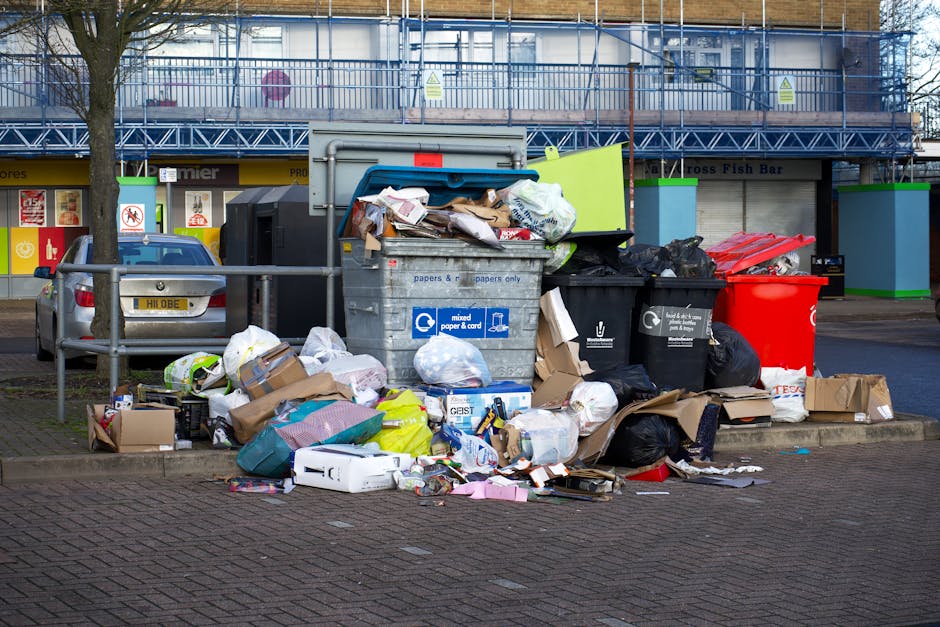
Stockwell rubbish removal guide for Clapham Road residents
If you live on Clapham Road, you already know how quickly rubbish can pile up. A broken wardrobe in the hall, a few bags from a clear-out, builder's debris after a quick refresh, or garden waste that's started to smell a bit too familiar by the side return. This Stockwell rubbish removal guide for Clapham Road residents is here to make the whole process simpler, safer, and far less stressful.
Whether you are clearing a flat, dealing with bulky furniture, or trying to get rid of mixed household waste without making a mess of the stairwell, the basics are the same: know what you need removed, choose the right method, and make sure it is handled responsibly. That sounds straightforward. In real life, though, the details matter.
Below, you will find a practical local guide that covers how rubbish removal works in Stockwell, what Clapham Road residents should look out for, what tends to go wrong, and how to make a sensible choice without overcomplicating things.
Why Stockwell rubbish removal guide for Clapham Road residents Matters
Clapham Road is busy, lived-in, and constantly on the move. Flats change hands, rooms get reworked, landlords turn over tenancies, and small businesses operate from compact spaces where storage is limited. That means rubbish removal is not just about tidying up; it is about keeping daily life workable.
For residents, the issue is often space. Bags in the hallway become awkward very quickly. A sofa in a one-bed flat is one thing; a sofa wedged near a front door in a shared building is another matter entirely. The sooner waste is dealt with, the easier it is to keep access clear and the less chance there is of attracting pests, odours, or complaints from neighbours.
There is also the practical side. Many people assume they will "sort it later" and then find themselves stuck with awkward items, limited time, and no vehicle. Truth be told, rubbish removal becomes urgent at the exact moment you are least in the mood to deal with it.
That is especially true in Stockwell's residential streets, where parking, loading access, and stair access can all shape how quickly a clearance job can happen. If you understand the process early, you avoid unnecessary stress and a lot of back-and-forth.
Expert summary: For Clapham Road residents, rubbish removal works best when you plan around access, item type, and disposal route before the pile gets too large. A little preparation saves time, money, and a fair bit of irritation.
How Stockwell rubbish removal guide for Clapham Road residents Works
In practical terms, rubbish removal is the collection, sorting, loading, transport, and disposal of unwanted items and waste from your property. The best providers do not just grab everything and disappear. They assess the load, identify what can be reused or recycled, and take care to remove items safely.
For Clapham Road homes, the process often starts with a quick description or photo set. That helps determine whether you are dealing with a simple mixed-waste pickup, a furniture clearance, or something more specialised such as loft, garage, or builders waste. If the items are large, heavy, or awkward, access matters just as much as the volume.
Many residents also combine several needs at once. For example, a flat clearance may include old furniture, broken small appliances, and bags of general rubbish. That is common. It does not need to be overcomplicated, but it should be organised.
If you are clearing a full property, services such as home clearance or house clearance can be more suitable than a simple one-off collection. For smaller flats, a flat clearance often makes more sense. The right option depends on what you are removing and how quickly you need the space back.
There is another point worth mentioning. Rubbish removal is only efficient when the team can work without obstacles. Hallways should be clear, parking arrangements should be thought through, and fragile items should be separated if they are staying. It sounds obvious, but you would be surprised how often a job slows down because a footstool is blocking the one workable route out.
Key Benefits and Practical Advantages
The biggest benefit is simple: you get your space back. But there is more to it than that.
- Speed: An organised removal service can clear bulky waste far faster than piecing it together yourself over several weekends.
- Safety: Heavy lifting, sharp edges, broken glass, and damp items are all easier to manage with the right approach.
- Less disruption: A single planned visit usually creates less chaos than repeated trips to a skip or tip.
- Better sorting: Waste can often be separated for reuse, recycling, or disposal instead of going into one mixed pile.
- Cleaner finish: Good clearance is not only removal; it is leaving the area sweep-clean and usable.
For residents in a flat or terrace along Clapham Road, that last point matters a lot. Shared buildings can become awkward fast if waste is left in communal areas. Nobody wants their hallway to look like a temporary dump at 8am on a Tuesday. It just gets tense.
Another practical advantage is flexibility. A proper waste removal solution can handle a single bulky item, a handful of black bags, or a mixed load after a bigger project. If you are dealing with furniture, a dedicated furniture clearance or furniture disposal service can be a better fit than trying to push everything through a general rubbish route.
Who This Is For and When It Makes Sense
This guide is for anyone on or near Clapham Road who needs rubbish removed without turning the job into a weekend project. That includes tenants, landlords, homeowners, estate managers, local shops, and small offices.
You will probably benefit most if you are in one of these situations:
- moving out and needing a fast clear-out
- decluttering after years of boxes building up
- replacing furniture and wanting the old pieces gone quickly
- clearing a loft, garage, or spare room
- dealing with post-refurbishment mess or light builder waste
- preparing a rental property between tenancies
- emptying an office or workroom with limited storage
If you are clearing outside space, a garden clearance can help with branches, soil, cuttings, and old outdoor clutter. If the job has piled up in the garage or loft, those dedicated services are often a better match than a general tidy-up approach.
To be fair, some people wait until the waste is almost embarrassing. That is normal. Life gets busy, and rubbish never seems urgent until the moment guests are due or the lease end date lands. That is exactly when a structured clearance plan is useful.
Step-by-Step Guidance
If you want the smoothest possible experience, work through the job in order. A rushed clearance often creates more mess than it solves.
- List what needs to go. Separate furniture, general rubbish, garden material, and anything potentially recyclable.
- Check access. Think about stairs, lifts, narrow doors, shared entrances, and parking close to the property.
- Photograph the load. Clear photos help anyone assess volume and complexity before arrival.
- Decide what stays. Mark items that must not be removed. Tape or labels can help if several people are involved.
- Choose the right service type. A full property clearance is different from a single-item collection or a small waste removal job.
- Prepare the area. Move personal items, unlock access routes, and make sure heavy items are reachable.
- Ask about sorting and disposal. Reuse and recycling should be part of the conversation from the start.
- Do a final check before removal begins. It is much easier to stop a mistake early than to fix it later.
If the work is tied to renovation, a specialist builders waste clearance can be more appropriate, especially if you have timber offcuts, packaging, rubble, or plasterboard mixed in. And if the job is tied to a workplace, consider business waste removal or office clearance rather than a domestic cleanout.
One small but useful habit: take a minute to walk the route from the room to the vehicle. You will often spot the bottleneck immediately. A low shelf, a loose mat, a door that sticks a bit. Tiny details, big difference.
Expert Tips for Better Results
Most of the headaches people experience with rubbish removal are avoidable. A few simple habits go a long way.
- Group waste by type. Keep furniture, bags, metal, wood, and mixed waste separate where possible.
- Leave access clear. A clear path saves lifting time and reduces the risk of damage.
- Be honest about volume. Understating how much there is can create delays or pricing confusion.
- Handle valuables first. Drawers, cushions, cupboards, and box corners have a habit of hiding useful things.
- Watch for hidden hazards. Old paint tins, chemicals, batteries, broken glass, and damp materials need extra care.
In our experience, people often overestimate how much they can sort alone and underestimate how quickly clutter spreads once a room is half-empty. That middle stage can feel messy and strange, almost worse than the original pile. Keep going anyway. The end result is worth it.
Another practical tip: if you are disposing of furniture, confirm whether it can be reused or needs to go for disposal. Not everything worn out is worthless, and not everything "fine" should be reused without a check. A soft, sagging sofa may look harmless, but once it is in a basement stairwell, everyone remembers gravity exists.
For larger or multi-room jobs, services such as loft clearance, garage clearance, or house clearance can save a lot of effort because they are built around awkward spaces and mixed contents.
Common Mistakes to Avoid
There are a few mistakes that keep showing up in local rubbish removals, especially in tight London properties.
- Leaving everything until the last minute. This often leads to rushed decisions and poor sorting.
- Blocking access with more clutter. If the route out is buried, the job takes longer and may cost more.
- Assuming all waste is the same. It is not. Different materials need different handling.
- Mixing keep and remove piles. That is how important items disappear by accident.
- Forgetting about neighbours or shared areas. In a communal building, noise and mess matter more than people realise.
- Choosing a service only on price. Cheap can be expensive if the provider is disorganised or unclear about what is included.
One more thing: do not assume that a quick sweep at the end counts as proper clearance. A decent job should leave the space ready to use, not just less awful than before. Small difference, big feeling.
Tools, Resources and Recommendations
You do not need a garage full of equipment to prepare for rubbish removal. A few ordinary tools make life easier.
- Marker pens or labels: useful for separating keep and remove items.
- Heavy-duty bags: better for loose waste, textiles, and smaller mixed items.
- Gloves: sensible for dusty lofts, garages, or broken items.
- Phone camera: helpful for documenting what needs removing.
- Basic tape or string: useful if drawers or cabinet doors need securing.
- Cleaning cloths and a dustpan: handy for the final tidy-up.
On the service side, it helps to know what the website offers so you can choose the right route. For example, a full waste removal service may suit mixed everyday rubbish, while specific pages like home clearance or flat clearance are better when the whole property needs attention. If you are mostly moving one or two items, a targeted furniture service may be the tidier choice.
You can also review the provider's approach to recycling and sustainability, which is worth doing if you care about how mixed waste is handled after collection. That is not just a nice extra. It is a sign of a more organised operation.
If you want to understand the service more broadly, the company's about us page can help you judge the tone, experience, and practical focus behind the service. And for service arrangements, pricing and quotes is the place to look before you commit.
Law, Compliance, Standards, or Best Practice
Rubbish removal in the UK is not just a matter of taking stuff away. Waste needs to be handled responsibly, and householders should be mindful of where it goes and who is moving it. The safest general rule is simple: use a provider that can explain how waste is collected, sorted, transported, and disposed of.
For Clapham Road residents, best practice usually means the following:
- keeping waste types separated where possible
- avoiding the careless disposal of hazardous materials
- making sure access routes are safe for anyone carrying heavy items
- using a clear written quote or agreed scope before work starts
- checking that terms, payment, and service expectations are understood
If you are clearing a business space, compliance becomes even more important. Office waste, archived paperwork, furniture, and packaging may each need different handling. The same applies where construction waste is involved. A service with a strong safety and handling process is worth more than a vague promise and a fast pickup.
For trust signals, it is also sensible to review practical policy pages such as health and safety policy, insurance and safety, payment and security, and terms and conditions. Those pages do not replace a conversation, of course, but they do show how the service thinks about risk, service scope, and customer care.
If you have accessibility needs, it is also worth checking the accessibility statement so you understand how the site and service present information. It is a small detail, but a useful one.
Options, Methods, or Comparison Table
Not every rubbish problem should be solved the same way. A quick comparison helps.
| Option | Best for | Strengths | Limitations |
|---|---|---|---|
| DIY disposal | Very small loads, a few bags, simple items | Can seem cheaper at first | Time-consuming, hard without a vehicle, repetitive trips |
| Skip-style approach | Longer projects with steady waste output | Useful if rubbish builds over several days | Space, access, permits, and loading can be awkward in busy streets |
| Professional rubbish removal | Mixed waste, bulky items, tight deadlines, flats, or stair access | Fast, flexible, less lifting for you | Needs a clear quote and good access planning |
| Specialist clearance | Homes, lofts, garages, offices, gardens, or renovation waste | Matched to the exact type of job | May be more specific than you first expected |
For most Clapham Road residents, professional rubbish removal is the most practical choice when the load is bulky, mixed, or time-sensitive. DIY can work for a tiny amount, but once you need multiple trips or start wrestling a mattress down stairs, the balance shifts quickly.
Case Study or Real-World Example
Picture a typical Saturday morning in a Stockwell flat. The resident has just finished replacing a wardrobe, clearing out old boxes, and sorting some things from a cupboard that has not been opened properly in years. There are flat-pack boxes, an old lamp, two bags of soft waste, a broken chair, and a pile of odds and ends in the corner.
At first glance, it feels manageable. Then the resident notices the lift is small, the hallway is narrow, and the old chair will not fit through the door without turning it sideways. The job has suddenly become more than a tidy-up. It is a logistics problem. Lovely.
In that kind of situation, the sensible route is to separate the items, clear the access path, and choose a service designed for mixed waste and furniture removal. If the wardrobe has already been dismantled, that helps. If it has not, the team may need to handle it in sections so it can move safely through the property.
That is the real value of a good rubbish removal plan: it reduces friction before the day even starts. A half-hour of preparation can save far more than half an hour on site.
Practical Checklist
Use this checklist before booking or starting the removal.
- Identify everything that needs to go.
- Separate furniture, general rubbish, garden waste, and builder waste if possible.
- Take clear photos of the load.
- Confirm access routes, stairs, lifts, and parking issues.
- Check whether anything needs special handling, such as glass, paint, batteries, or wet waste.
- Remove personal items from drawers, shelves, and pockets before collection.
- Decide whether you need a flat clearance, house clearance, office clearance, or a simple waste removal job.
- Review pricing, payment, and service terms in advance.
- Ask about recycling and reuse where relevant.
- Do a final walk-through before the load leaves the property.
That last check is a lifesaver, honestly. One overlooked item can turn into a small headache, and nobody needs that on a busy London day.
Get a free quote today and see how much you can save.
Conclusion
For Clapham Road residents, rubbish removal is less about "getting rid of junk" and more about restoring order to a busy home or workplace. The right approach depends on what you are removing, how much access you have, and how quickly you want the space back.
If you plan ahead, choose the right clearance type, and keep safety and compliance in mind, the whole process becomes much easier. You do not need to overthink it, but you do need a bit of structure. That is really the trick.
If you are ready to take the first step, focus on the job in front of you: sort the waste, check the access, and choose a service that fits the scale of the task. Clean space has a way of calming everything down. Even a cramped flat feels lighter when the clutter is gone.
Frequently Asked Questions
What is the best rubbish removal option for Clapham Road flats?
For most flats, a professional flat clearance or general waste removal service is the easiest option because it handles stairs, tight entrances, and mixed loads without repeated trips.
How do I know whether I need house clearance or flat clearance?
If you are clearing a whole house or multiple rooms in a larger property, house clearance is usually more suitable. If you are dealing with a smaller apartment or single-floor flat, flat clearance is often the better fit.
Can furniture be collected as part of rubbish removal?
Yes. Furniture is commonly included, but it is worth checking whether the service treats it as standard waste, specialist furniture clearance, or furniture disposal depending on size and condition.
What happens to waste after it is collected?
Good practice is for waste to be sorted for reuse, recycling, or disposal according to its type. If sustainability matters to you, ask how the provider handles that process.
Is it better to clear rubbish myself or use a service?
If the load is tiny and easy to move, DIY may be manageable. Once items are bulky, heavy, or awkward, or if access is tight, using a service is usually safer and far less stressful.
How should I prepare before a rubbish removal team arrives?
Separate what is going and what is staying, clear a route to the exit, and take photos of the load so there is no confusion on the day. A bit of prep helps more than people expect.
Can I combine garden waste and indoor rubbish in one collection?
Often yes, but it depends on the service and how the waste is mixed. Garden clearance and general waste removal are sometimes combined, though separate sorting may still be needed.
What if I have builders waste after a small renovation?
Then a builders waste clearance service is usually more appropriate. It is better suited to rubble, packaging, timber offcuts, and other post-project debris than a standard household tidy-up.
Do offices near Clapham Road need a different kind of waste removal?
Usually yes. Office clearance or business waste removal is better for desks, chairs, paperwork, monitors, and work-related clutter because it is planned around commercial spaces and their access needs.
How can I avoid surprise costs?
Be clear about what needs removing, how much there is, and how the property is accessed. A detailed quote and honest description usually prevent most pricing surprises.
Is it worth checking company policies before booking?
Absolutely. Pages such as insurance and safety, health and safety policy, terms and conditions, and payment and security help you understand how the service is run and what standards to expect.
What if I only have one awkward item to remove?
That happens all the time. A single bulky item, like a sofa or wardrobe, can be more troublesome than a few bags of rubbish. A furniture-specific collection is often the simplest answer.
How soon should I book rubbish removal?
If you have a deadline, book as early as you can. For urgent clutter, same-day or next-day availability may be possible, but it is always better not to leave it until the last minute.
For a smooth next step, use the service pages that match your situation, review the practical policy information, and get everything clear before collection day. That way, the job feels manageable instead of chaotic. And honestly, that is half the battle.